
Tile vs hardwood is an easier choice when you picture the room on an ordinary day. Wet boots land near the back door. Bare feet cross the bedroom floor. Kitchens handle spills, chairs, and constant foot traffic.
In spaces exposed to frequent water, tile is often the more practical starting point; hardwood brings natural warmth to many living areas. Kitchens can suit either, depending on how they’re used. Looking at comfort alongside care and installation will help you choose a floor that feels at home in your space.
Tile vs Hardwood Starts With the Room
At a busy entrance, the floor meets whatever the weather brings inside. Around Cleveland, that can mean wet boots and grit from the driveway.
Tile can be a practical choice here, with a mat to catch dirt before it travels farther into the house. Look at the surface texture as well as the color, particularly where the floor may get wet.
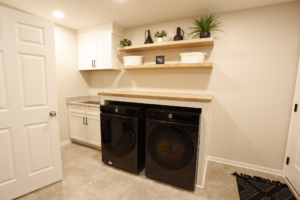
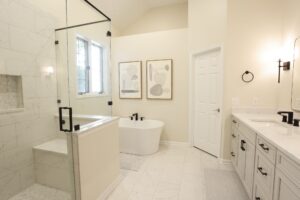
Bathrooms and laundry rooms call for similar attention to water. Porcelain or ceramic tile can suit these spaces well, but the installation beneath it needs to be appropriate for the room. Tile alone doesn’t make the entire floor assembly waterproof.
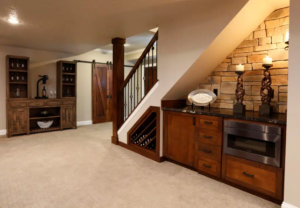
In a bedroom or living room, hardwood’s natural grain can give the space a warmth that’s easy to live with. Picture a quiet room with afternoon light falling across the boards. The color you choose will sit alongside the furniture and any adjoining floors, so bring those details into the decision.
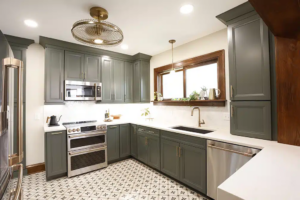
A kitchen can work with either material. Tile may appeal if easy spill cleanup is a priority. Hardwood can help the kitchen feel connected to nearby living areas. It calls for prompt spill cleanup, and the product needs to suit the installation.
Compare the Feel, Care, and Repair Options
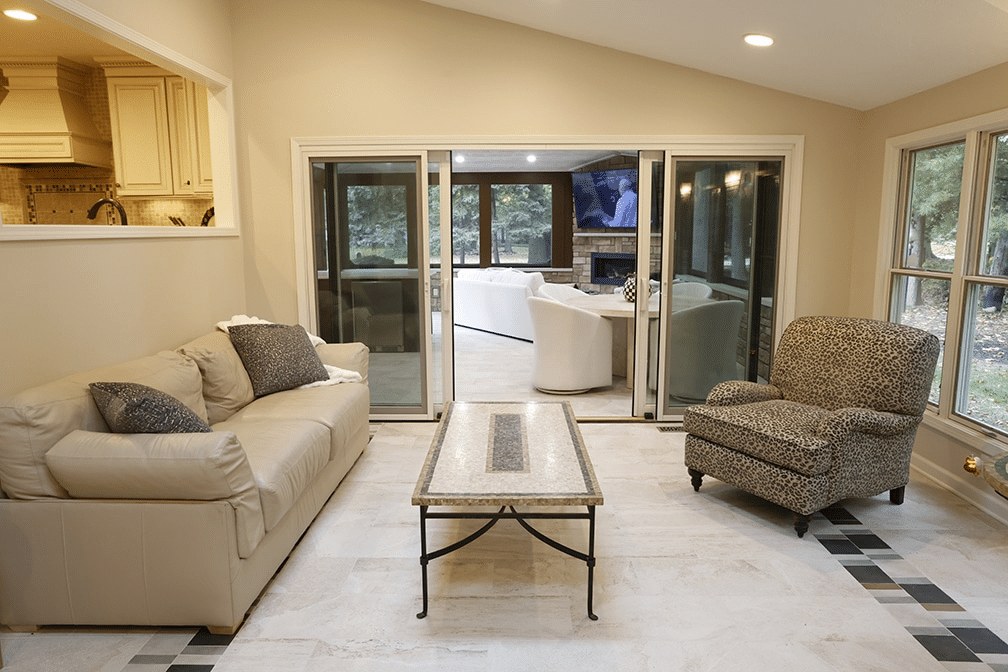
“Tile” and “hardwood” each describe a range of products. Porcelain and ceramic tile vary by product and finish. Solid and engineered hardwood both use real wood, but their construction and installation needs differ.
Here’s something to think about for each:
Tile
- Feel: Firm and often cool underfoot. Compatible floor heating can add comfort in a bathroom remodel.
- Care: Clean the tile and grout regularly. Some grout products need sealing; check the selected product’s instructions.
- Repair: A chipped tile may be replaceable. Keeping spare pieces can help you match the existing floor.
Hardwood
- Feel: Often warmer to the touch than tile, though room conditions and the floor beneath it affect comfort.
- Care: Remove grit regularly and use cleaners suited to the finish. Wipe up spills promptly.
- Repair: Scratches and dents can occur. Refinishing depends on the floor’s condition and construction, including the wood layer’s thickness in engineered products.
Plan How the New Floor Meets the Rest of Your Home
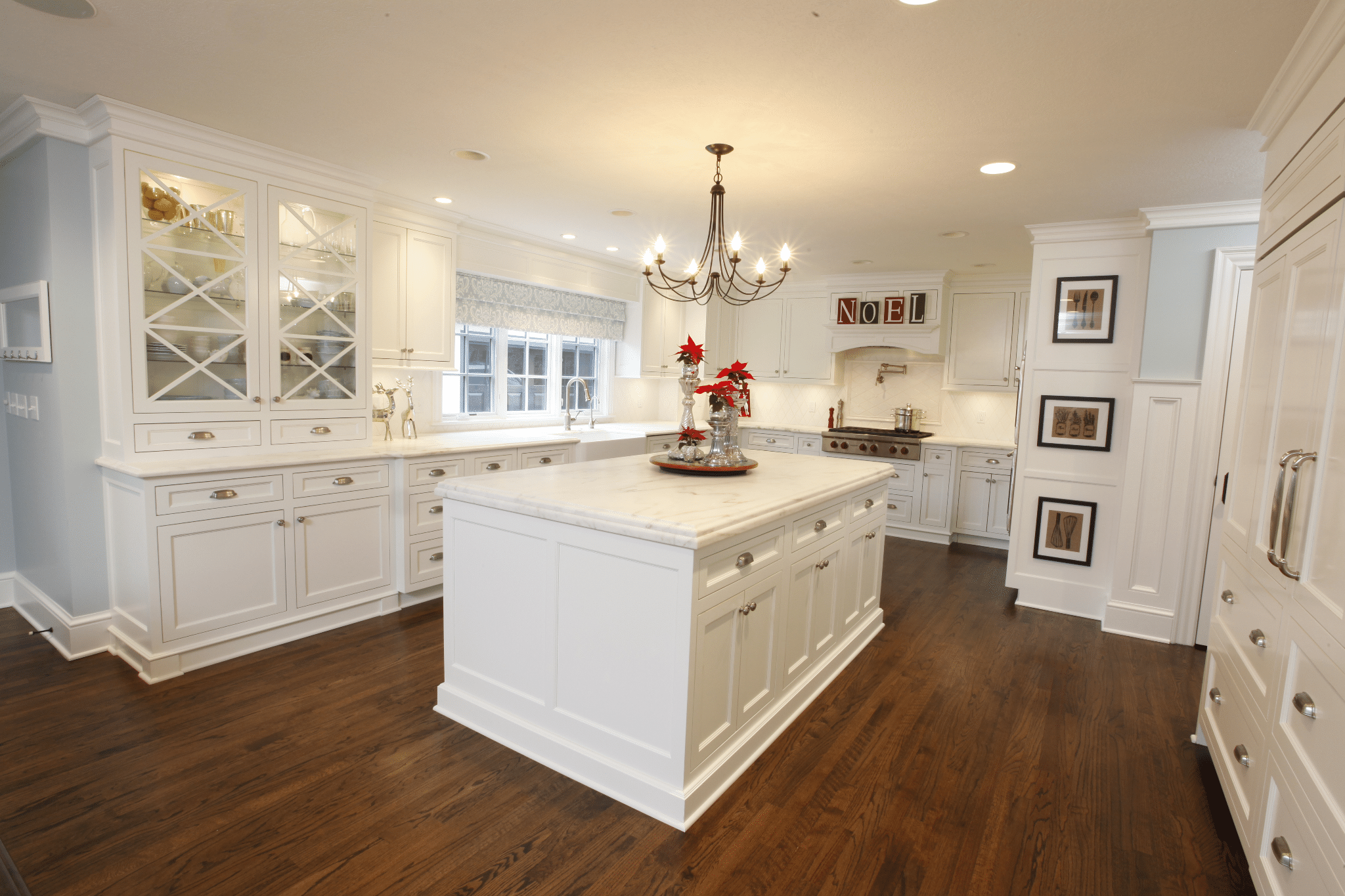
The flooring price is one part of the project. Before comparing totals, look at what each installation requires in your home.
Existing flooring may need removal, and the subfloor may need work before the new material goes down. Tile needs suitable support to limit movement beneath it. Hardwood has its own requirements for moisture conditions and installation, which vary between solid and engineered products.
Floor height matters where rooms meet. A change in thickness can affect transitions or the clearance beneath a door. Think about how those edges will look and feel as you walk from one space to another.
Ask for the complete installed scope, including preparation and finishing details. That gives you a more useful comparison than the price of the material alone.
See How Tile and Hardwood Fit Your Space
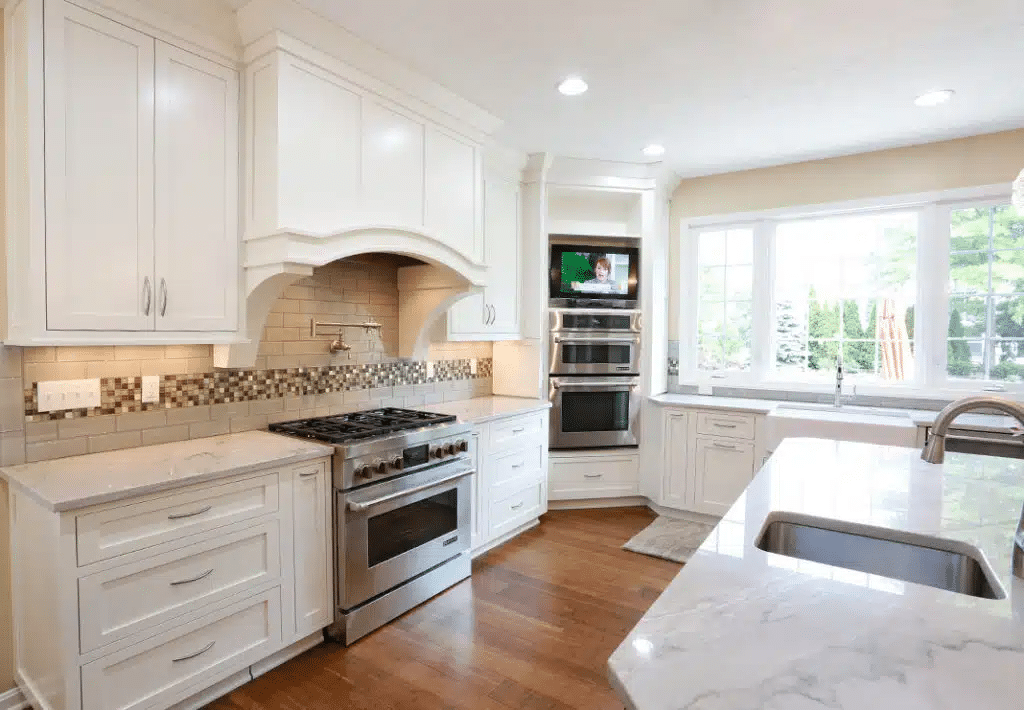
Bring a photo of the room and a sample or picture of the flooring beside it. Seeing those together can help you decide whether you want a continuous look or a change of material.
Dover Floor & Tile Center welcomes walk-ins at 26824 Lorain Road, North Olmsted. Explore the flooring options and discuss the room’s installation needs with us. You can also call 440-423-TILE (8453) before your visit.
Frequently Asked Questions
Is tile or hardwood better for a kitchen?
Either can work. Tile often suits frequent spills, while hardwood can connect a kitchen visually with adjoining living spaces. Consider how much water the floor encounters and whether you’re comfortable with the care required by the specific product.
Is engineered hardwood waterproof?
Don’t assume it is. Engineered hardwood uses a real wood surface, and moisture performance varies by product. Check the manufacturer’s stated limitations and care instructions. Its layered construction doesn’t make every engineered floor suitable for regularly wet areas.
Is wood-look tile easier to maintain than hardwood?
It can be in a room where water is a frequent concern. Wood-look tile won’t need wood refinishing, but grout and tile surfaces still need cleaning. Compare those tasks with the care instructions for the hardwood you’re considering.
Which costs more to install, tile or hardwood?
Tile typically costs more to install than hardwood because installation is more labor-intensive. However, premium hardwood, complex patterns, subfloor repairs, and removal can change the final cost.