

Deciding whether to replace flooring starts with one question: is the damage only on the surface, or does it go deeper? A worn finish may be easy to repair. Soft spots, raised seams, odors, or water damage may point to a larger issue.
The right choice depends on the root cause, damage extent, and subfloor condition. This guide will help you compare repair with replacement. You will also learn what a new floor needs to handle.
Is the Damage Cosmetic or Part of a Bigger Problem?
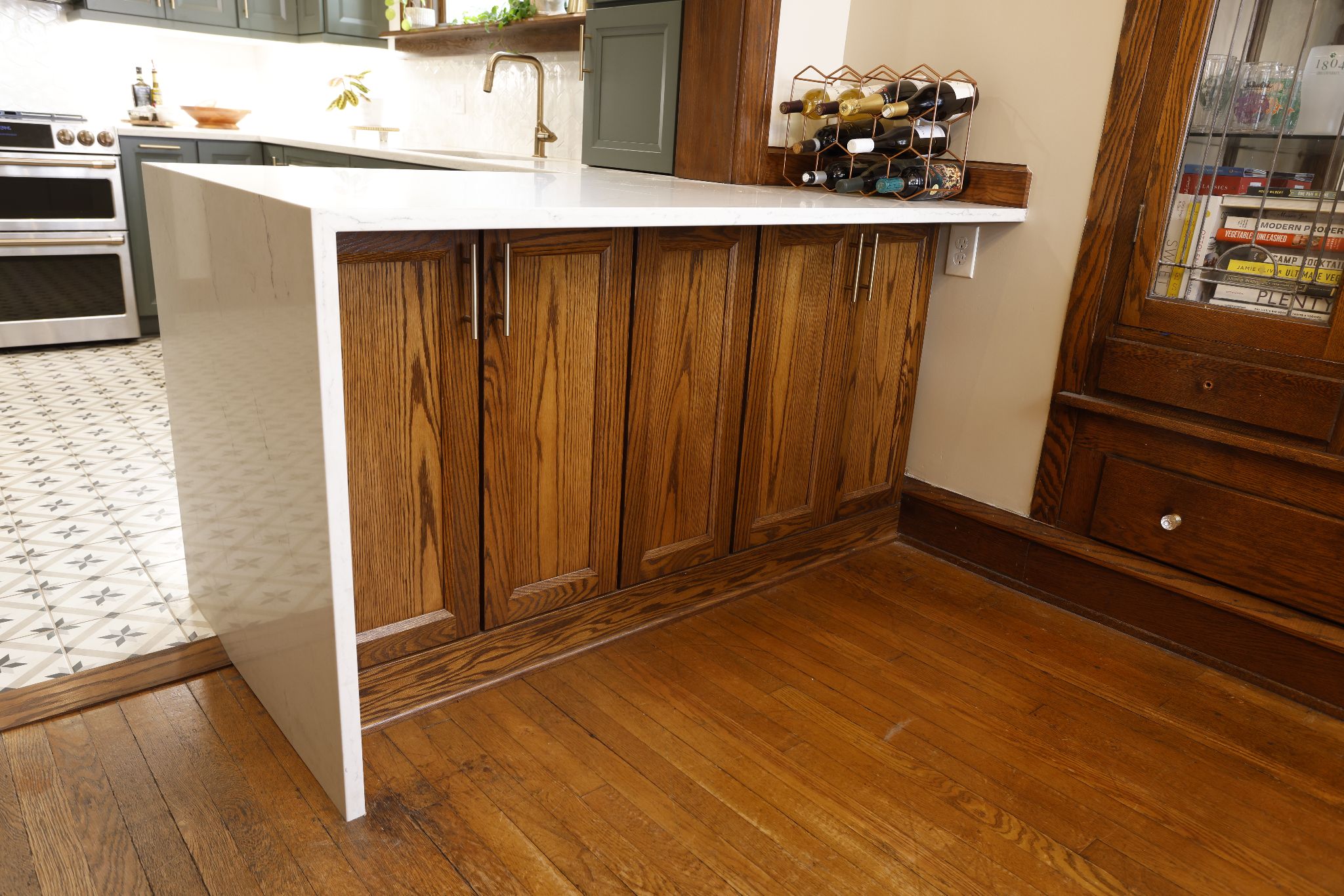
Repair works best for small, localized surface damage with a solid base. Replacement is a better idea when damage is widespread, recurring, affects the subfloor, or creates a safety hazard.
Start with five practical checks:
- Cause: Did one accident, daily wear, moisture, movement, or poor installation cause the damage?
- Extent: Does the issue affect one piece, one area, or most of the room?
- Recurrence: Has the same seam, stain, odor, or loose section returned after repair?
- Surface below: Does the floor feel soft, uneven, or loose underfoot?
- Match: Can a repair blend with the existing color, finish, and pattern?
A floor expert can tell whether the finish needs a repair or the area below needs work first.
Signs Replacing the Flooring May Be the Smarter Next Step
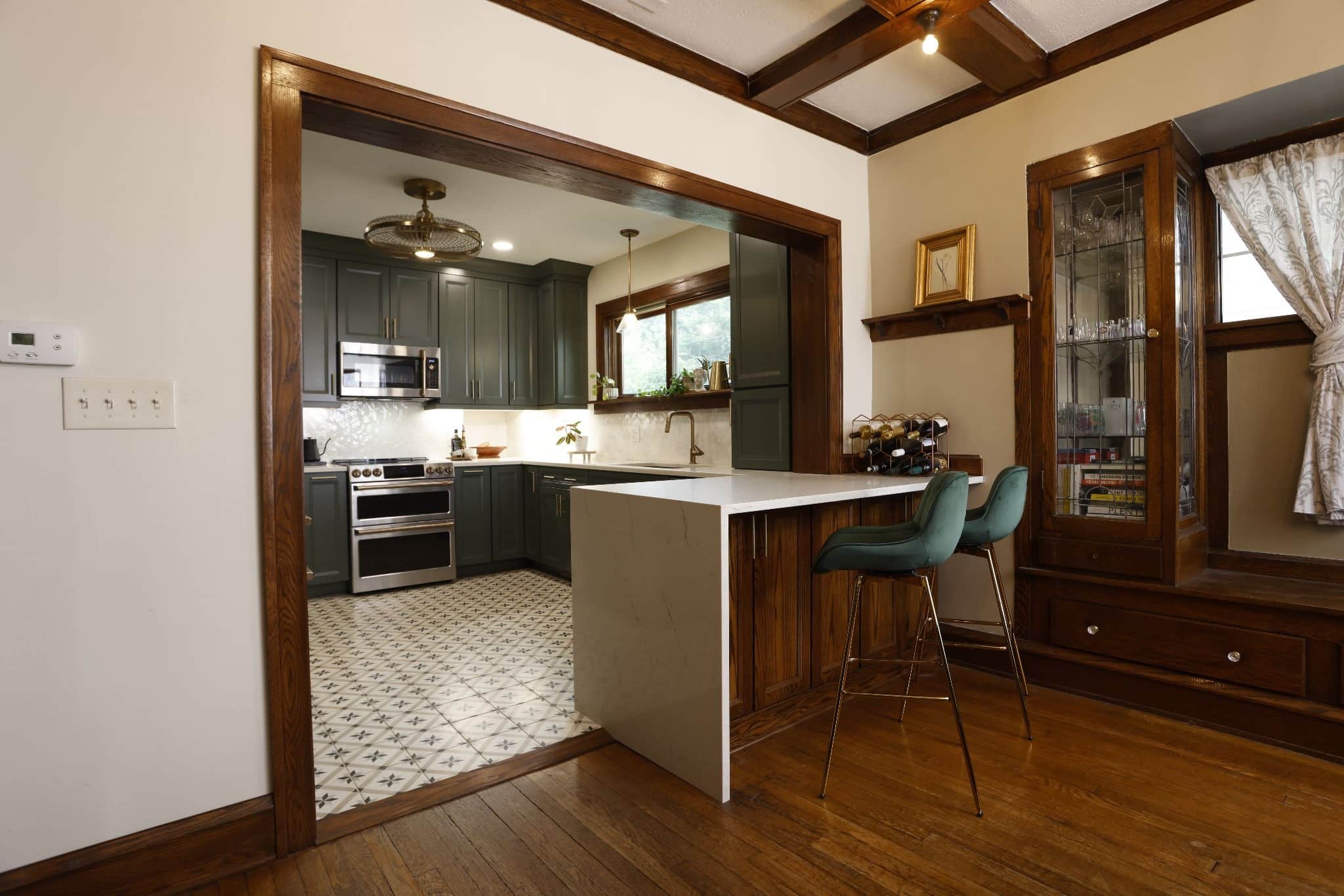
Visible damage tells only part of the story. Pay attention to how the floor feels, smells, and moves.
- Water damage keeps returning: Swelling, dark stains, loose material, or an odor may point to moisture below the finish. Fix the source before installing a new floor
- The floor feels soft or uneven: Movement underfoot may come from loose material, failed glue, the layer below, or the subfloor
- Seams and edges keep lifting: Curling, buckling, or gaps that return often mean another patch will delay the same choice
- Wear covers most of the room: Wide traffic paths, deep scratches, worn carpet, or a damaged finish can make one repair look out of place
- Broken areas affect safe footing: Sharp tile edges, loose boards, torn carpet, or unstable transitions deserve prompt attention
- The material no longer suits the room: A floor may need constant care because it does not fit the room’s moisture, traffic, pets, or cleaning routine
Older flooring and glue may contain asbestos. You cannot confirm that by sight. The EPA recommends leaving suspect material alone and hiring a trained professional to inspect or test it.
Decide What the New Floor Needs to Handle
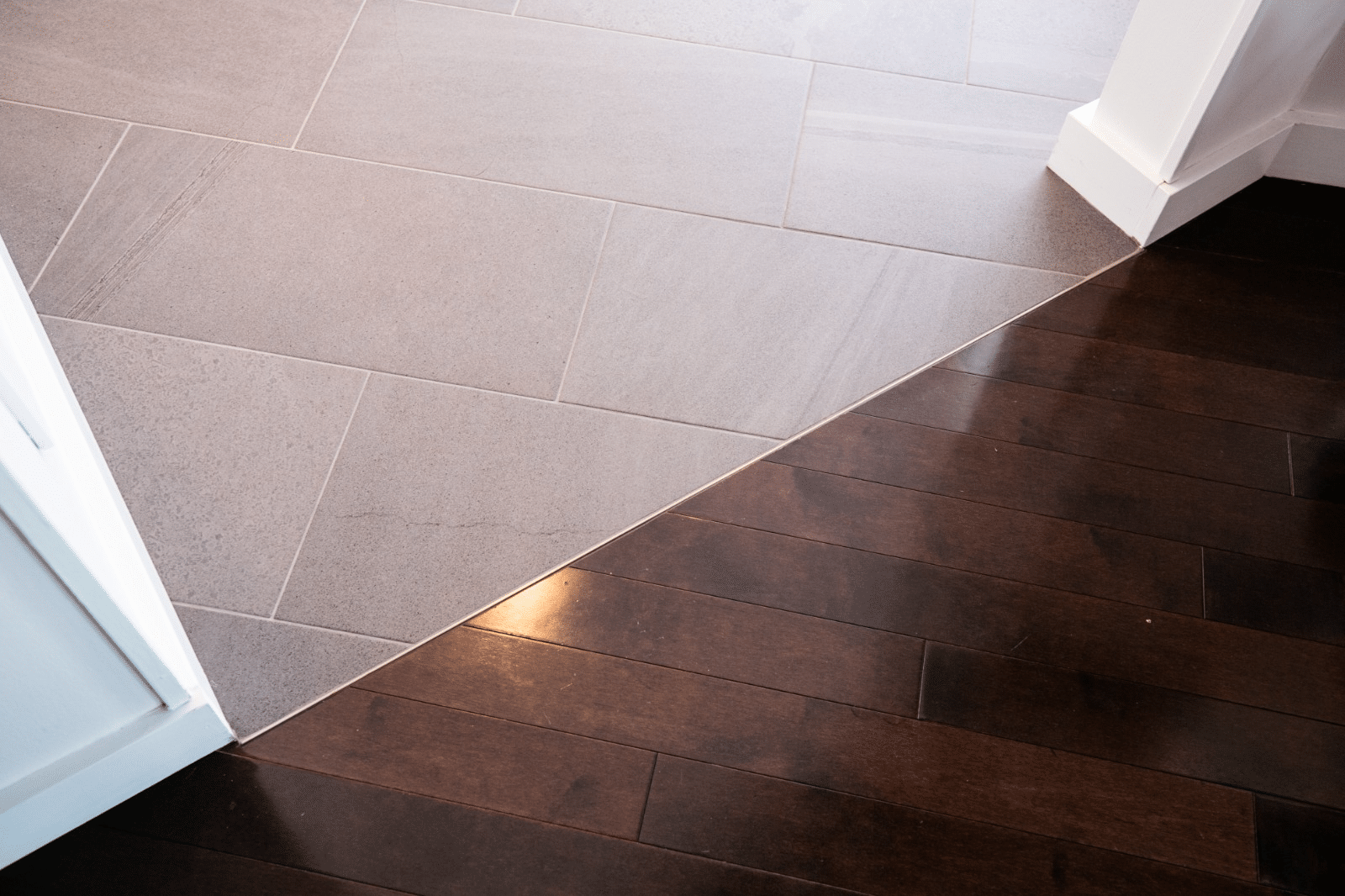
New flooring should solve the needs that made the current floor hard to live with. Begin with the room, then compare materials.
A busy entry may need a surface that handles grit and wet shoes. A bedroom may call for warmth and less noise. Kitchens, baths, laundry rooms, and lower levels need close attention to moisture.
Also consider the work below and around the new material. Subfloor prep, the height between rooms, door clearance, and layout all affect the finished floor.
Dover Floor & Tile Center carries hardwood, engineered wood, luxury vinyl, laminate, carpet, tile, and natural stone. Our flooring product guide gives you a place to start before you compare samples in person.
See the Material and Plan the Installation Together
A sample can show color and texture. It cannot show whether the subfloor needs work. It also cannot show how the floor will meet the next room or look across a wide area.
At Dover Floor & Tile Center, you can compare materials and ask about the work needed to install them. Walk-ins are welcome at 26824 Lorain Road in North Olmsted. Bring photos, room sizes, or a sample of the old floor if you have one. You can also call 440-423-TILE (8453) before your visit.
Our team can help you compare those details before you choose a product or plan the work.
Flooring Replacement FAQs
How much does it cost to replace flooring?
The price depends on the material, room size, removal work, subfloor condition, room shape, transitions, and installation method. A simple room with a sound base will cost less than one that needs moisture work or major prep. Compare the full job instead of the product price alone. Removal, prep, and installation all affect the quote and the finished floor.
Can damaged flooring be repaired instead of replaced?
Yes. A small area can often be repaired when the nearby material and the surface below are in good shape. The answer also depends on whether a matching board, tile, carpet piece, or finish is still available. A new floor makes more sense when repairs keep failing, damage covers a large area, or the material no longer works well in the room.
Should water-damaged flooring be repaired or replaced?
Fix the source of the water first. Then find out how far it traveled and whether it reached the subfloor. A small spill or leak caught early may allow a limited repair. Swelling, soft areas, odor, stains, or damage that returns calls for a closer look. A new surface can hide the cause if the area below is not dry and sound.